Ever wonder why a home you love appraises for less than your offer price in Genesee? You are not alone. In foothills neighborhoods with custom homes, big views, and few recent sales, appraisal gaps can surprise even well-prepared buyers. In this guide, you will learn what an appraisal gap is, why it happens so often in Genesee, and the practical moves you can make to keep your purchase on track. Let’s dive in.
Appraisal gap basics
An appraisal gap is the difference between the contract price and the appraised value used by your lender. Your loan amount is based on the appraised value, not the price you offered. If the appraisal comes in low, the lender usually reduces the loan amount. That shortfall must be resolved by you and the seller for the deal to close.
Appraisal vs. price vs. inspection
The appraised value is an appraiser’s professional opinion of value for lending purposes, based on comparable sales and adjustments for condition, site, and features. The market price is what you and the seller agree to pay, which can reflect competition and timing. A home inspection is separate and evaluates condition and safety. While inspection findings can influence value, lenders do not use the inspection report to set your loan amount.
Why Genesee sees appraisal gaps
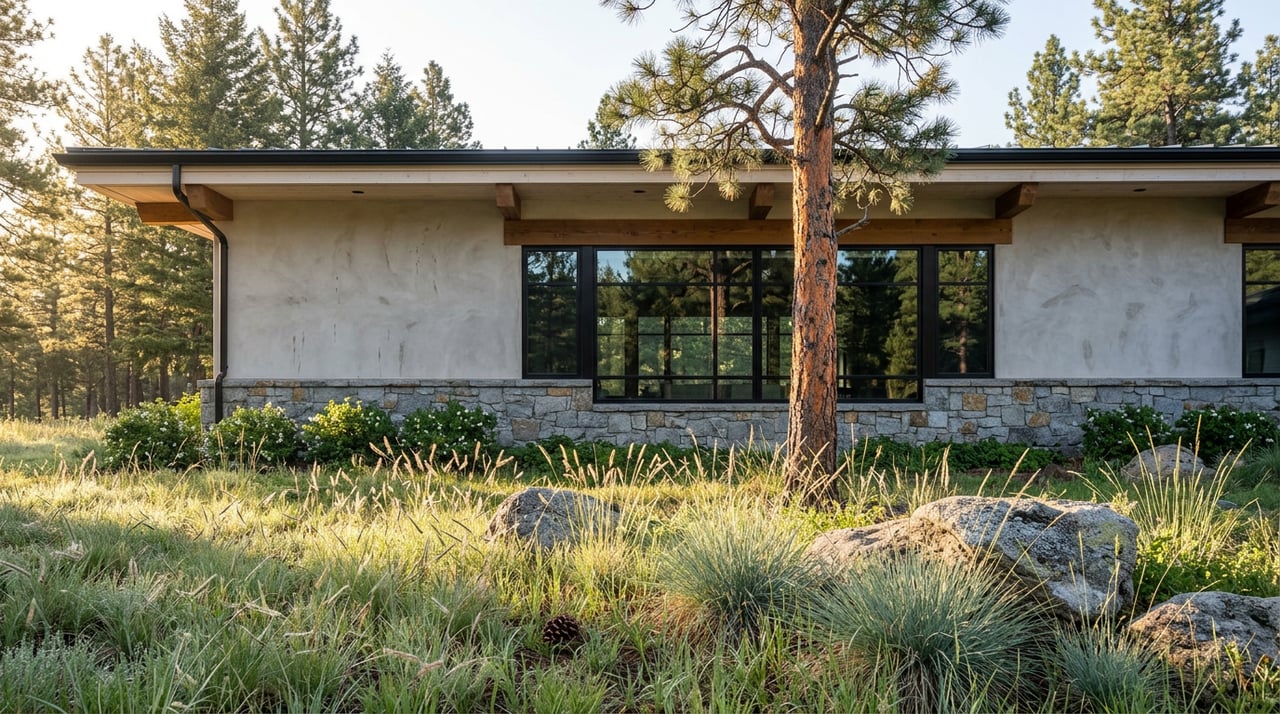
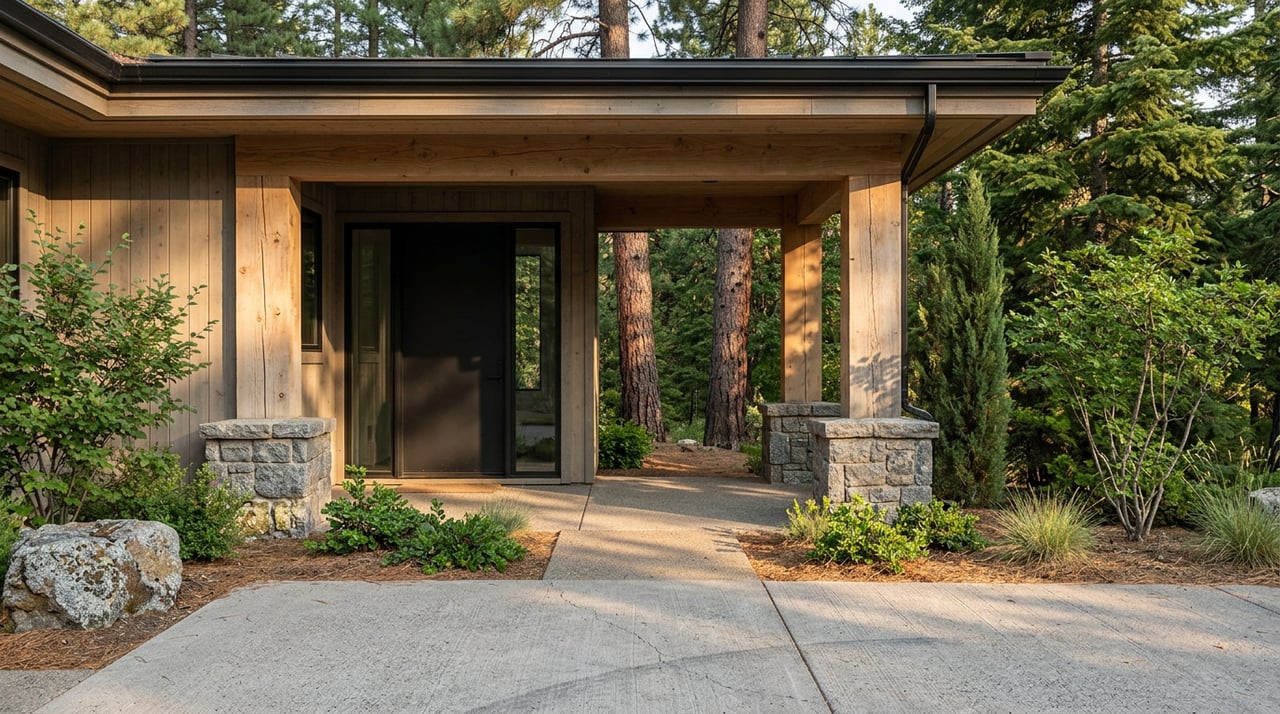
Genesee has large, irregular lots and steep topography that make properties hard to compare. Many homes are custom or semi-custom with high-end finishes and unique layouts. Big view premiums, proximity to trails, and privacy can boost price in ways that are not linear. Because there are few recent and truly comparable sales, appraisers often extend the search area or rely on older data, which increases variance and the chance of a gap.
Specific valuation challenges
- Sparse comps lead to heavier adjustments or the use of older sales, which adds uncertainty.
- Site features like steep driveways, rock cuts, drainage work, and defensible-space needs affect value and buildability.
- Custom construction, luxury materials, and one-off floor plans are not always captured fully in public records or listing details.
- View and location premiums shift quickly with small changes in elevation or sightlines.
- In a competitive market with low inventory, contract prices can move faster than supportable comparable sales.
Your options if value comes in low
Each choice depends on the size of the gap, your resources, loan type, and contingencies. Here are common paths and tradeoffs.
Cover the gap with cash
- You bring extra funds to closing to make up the shortfall.
- Pros: Simple and fast, keeps your contract intact.
- Cons: Reduces your liquidity and may not be feasible for larger gaps.
Add an appraisal gap clause
- You agree in the contract to cover a set dollar amount or percentage above a low appraisal.
- Pros: Strengthens your offer in a multiple-offer situation and clarifies expectations.
- Cons: Still requires cash. If the gap exceeds your cap, you need another solution.
Renegotiate with the seller
- You request a price reduction to the appraised value or a split of the difference.
- Pros: Protects your loan amount and preserves cash.
- Cons: The seller may decline, especially if backups exist.
Contest the appraisal
- You, your agent, and your lender submit additional comps or property information for reconsideration of value, or you request a second appraisal if allowed.
- Pros: Can lead to an upward revision if key data was missed.
- Cons: Time is limited, rules protect appraiser independence, and a second appraisal may reach the same conclusion.
Waive the appraisal contingency
- You accept the risk and agree not to exit based on value.
- Pros: Very competitive.
- Cons: High risk since you must cover any gap or risk loan denial.
Change loan or lender
- You explore programs with different appraisal policies, including portfolio or jumbo options.
- Pros: Some lenders offer more flexibility with unique properties.
- Cons: Switching late can delay closing and may not change the appraised value.
Delay to update data
- You extend timelines to allow for additional comps or a new appraisal closer to closing.
- Pros: New sales can strengthen support.
- Cons: Sellers may resist, and relevant comps may not arrive soon enough.
Smart prep before you offer
- Work with a foothills agent who tracks Genesee and Jefferson County comps and understands mountain micro-markets.
- Secure a strong pre-approval and learn your maximum loan-to-value, plus how your lender handles appraisal shortfalls.
- Decide if you will include gap coverage and set a cap you are comfortable with.
- Gather documents that help prove value: detailed MLS supplements, spec sheets, recent upgrade invoices, floor plans, surveys, site plans, and clear photos of views and lot features.
If the appraisal is low
- Move quickly. Decide whether to bring cash, seek a seller reduction or credit, or submit a reconsideration package.
- For reconsideration, focus on truly similar comps and support for lot, view, and quality adjustments, plus builder or spec documentation.
- If negotiations fail and you kept your appraisal contingency, you may be able to terminate and protect your earnest money per the contract.
- If you waived the contingency and cannot cover the gap, explore alternate financing or increased down payment. Otherwise you risk losing earnest money.
What to share with the appraiser
- Comparable sales that match the home’s view, lot, access, and finish level.
- Detailed documentation of upgrades, renovations, and quality of materials, plus replacement cost where relevant.
- Site plans, surveys, photos of topography, driveway, and any unique features.
- Neighborhood and HOA context that affects marketability, plus any recorded easements or encroachments.
Local Genesee factors to watch
- Wildland-urban interface and fire mitigation can affect insurability and value, as well as appraiser considerations.
- Private roads, HOA road maintenance, and driveway access influence marketability and cost of ownership.
- Utility type matters. Well and septic versus municipal service can change value and the available comp pool.
- Higher-priced properties may require jumbo financing and appraisers with experience in high-value mountain homes.
Bottom line
In Genesee, appraisal variances are common because every lot and view is different, and true comps can be scarce. Planning your gap strategy before you write helps you compete without taking on unnecessary risk. With the right preparation, documentation, and negotiation plan, you can navigate a low appraisal and still close with confidence.
If you want a tailored strategy for your target homes and budget, schedule time with a foothills specialist who blends engineering insight with local market expertise. Connect with Julia Purrington-Paluck to map your approach.
FAQs
What happens to my loan if the appraisal is low?
- The lender bases the loan on the appraised value, which can reduce the loan amount and create a cash shortfall you must resolve to close.
How often do appraisal gaps occur in Genesee?
- They are common in mountain-edge areas because unique sites, views, and sparse comps make valuations more variable than in uniform subdivisions.
Can I replace or pressure the appraiser to raise value?
- No, appraiser independence rules protect the process; you can request reconsideration with better comps or documentation through your lender.
How much cash should I plan for a potential gap?
- Decide on a comfortable cap before you offer based on your savings, loan program, and risk tolerance, then align your gap clause and reserves.
Is a seller concession different from a price reduction?
- Yes, a price reduction lowers the contract price, while a concession is a credit that can offset costs; both can help bridge a gap depending on lender rules.
Are certain loan programs more flexible for unique homes?
- Some portfolio or jumbo lenders may handle unique collateral differently, but requirements vary and switching late can delay closing.
What documentation helps most in an appraisal reconsideration?
- Provide truly comparable sales, builder or spec details, upgrade invoices, and clear evidence of lot and view characteristics that support value.
Should I get a second appraisal or rely on review?
- Start with your lender’s reconsideration process; a second appraisal may be allowed, but it adds time and may return the same value.