Colorado Foothills Real Estate Update: Early Activity in an Uncertain Market
Evergreen • Conifer • Clear Creek County • Park County
The Colorado Foothills real estate market is sending mixed signals as we move through early 2026. On the surface, January data shows longer days on market, softer list-to-sale ratios, and fewer completed transactions. Yet on the ground in Evergreen and Conifer, buyer activity is picking up in ways that don’t always show up immediately in the statistics.
Showings are up. Buyer conversations are more serious. More buyers are getting pre-qualified. Properties are beginning to go under contract, even though closings naturally lag this activity. In other words, momentum is building upstream, before it appears in closed sales numbers.
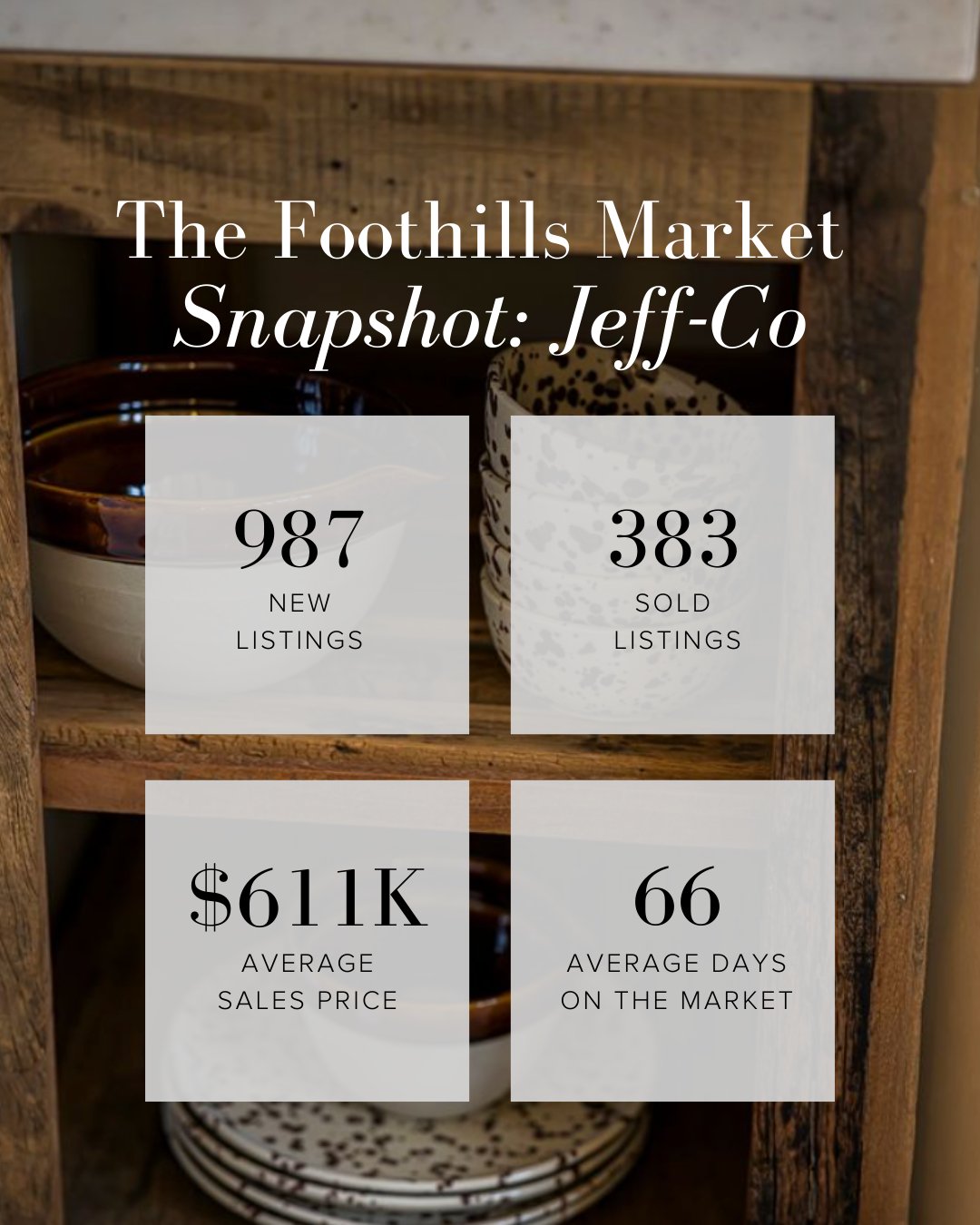
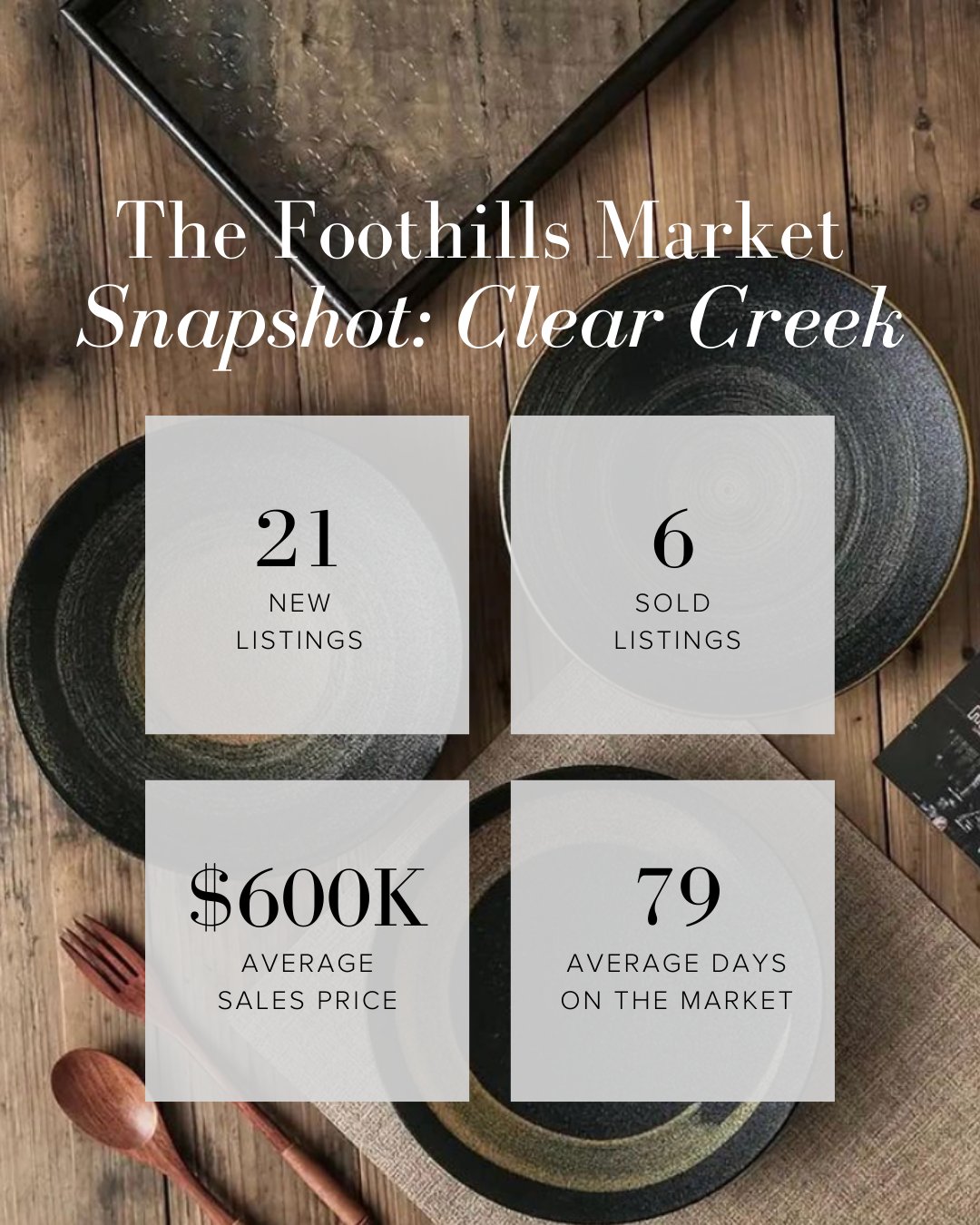
January’s Foothills data highlights this disconnect clearly. Months of supply increased roughly 9 percent year over year, days on market stretched to about 82 days (up nearly 39 percent), and median list-to-sale price ratios softened from 98.8 percent last year to 96.5 percent. Negotiation has become a central feature of today’s market. Buyers have more choice, sellers are adjusting expectations, and not every contract makes it to closing. The market feels busy, but productivity remains constrained. *Colorado Association of Realtors, January stats 2026
Evergreen and Conifer continue to reflect this pattern. Detached home pricing has remained relatively stable year over year, supported in part by higher-end sales, while more typical homes are taking longer to sell and facing increased price sensitivity. Affordability remains a challenge, with average detached prices still exceeding $1 million in the area.
Interest rates still dominate headlines, but they aren’t the whole story. While the Federal Reserve did not cut rates at its late January meeting, local lenders report that rates are generally the lowest they’ve been since 2022, and industry expectations continue to point toward gradual easing later this year. More importantly, buyers are responding to direction, not perfection. They’re preparing carefully rather than rushing, positioning themselves ahead of what they believe will be a more active spring.
This is where sellers need to pay attention.
February doesn’t feel like selling season. Daylight is limited, winter drags on, and it’s tempting to wait for March or April. The risk this year is that waiting may mean missing the most prepared and motivated buyers. Early-year buyers tend to be decisive. They’ve already done the financial work, clarified priorities, and adjusted expectations. When the right property appears, they’re ready.
Spring will likely bring more buyers, but it will also bring more listings. That added inventory increases competition and can shift leverage quickly. Sellers who enter the market earlier often benefit from clearer demand and less noise, even when broader headlines remain cautious.
The Foothills amplify this effect. Evergreen and Conifer are lifestyle-driven markets. Buyers here don’t wait for school calendars or perfect economic signals. They move when the right home appears and personal timing aligns. Winter conditions tend to filter out casual shoppers, leaving more serious buyers in the mix.
It’s still early, and closings over the next several weeks will tell a fuller story. But the pattern is familiar: the first serious buyers show up quietly, long before the data confirms it. Sellers who meet them early often look back and wonder why they considered waiting.
Looking ahead, uncertainty isn’t going away. Rates will move, insurance remains part of the equation, and inventory will likely rise in waves. What feels different in 2026 is how grounded both buyers and sellers are. Conversations are more realistic. Decisions are being made with intention, not urgency.
If you’re considering selling this year, paying attention to who is already active may matter more than waiting for the perfect headline. And if you’re buying, preparation continues to be your strongest advantage.
'Till next month,
Julia