Wondering what life in Genesee is really like beyond the mountain views? If you are thinking about buying in this foothills community, it helps to understand both the perks and the responsibilities that come with HOA living. From clubhouses and trails to design review and wildfire maintenance, here is what you can expect before you buy. Let’s dive in.
Genesee at a Glance
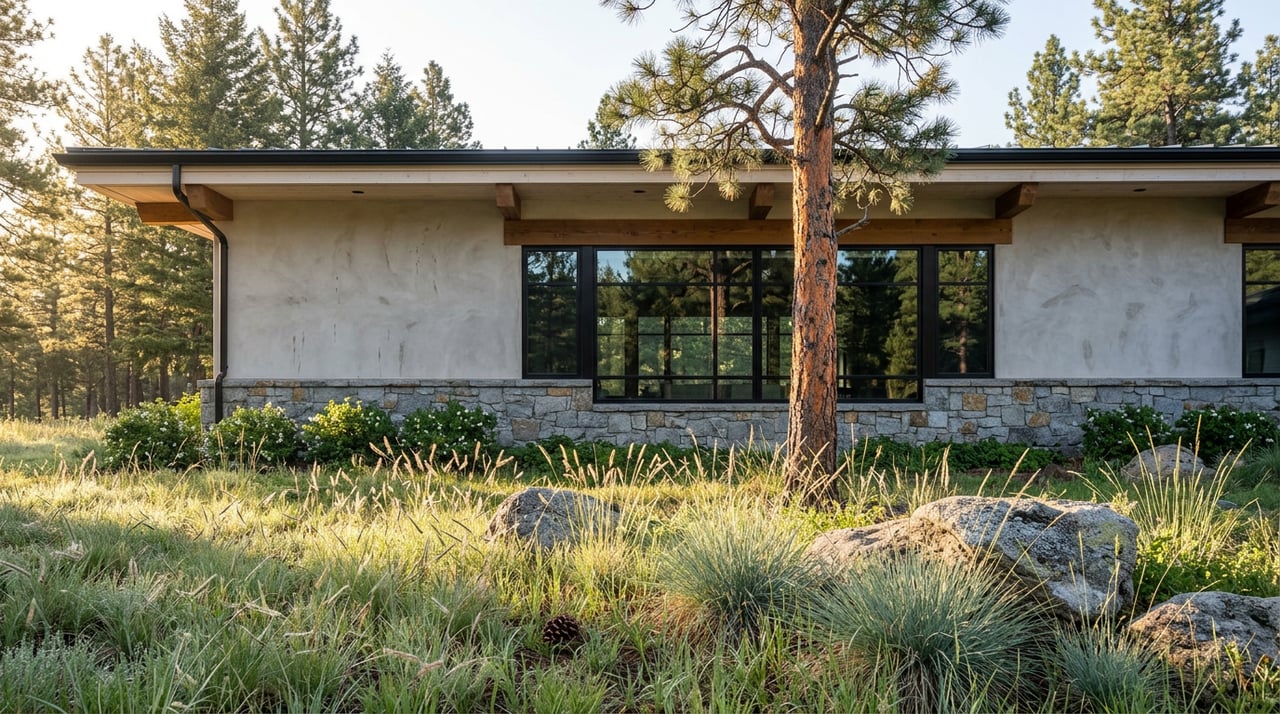
Genesee is a covenant-protected mountain community in unincorporated Jefferson County. According to the Genesee Foundation, the community spans about 2,000 acres, with roughly 1,200 acres of open space, 885 homes, and an elevation above 7,500 feet.
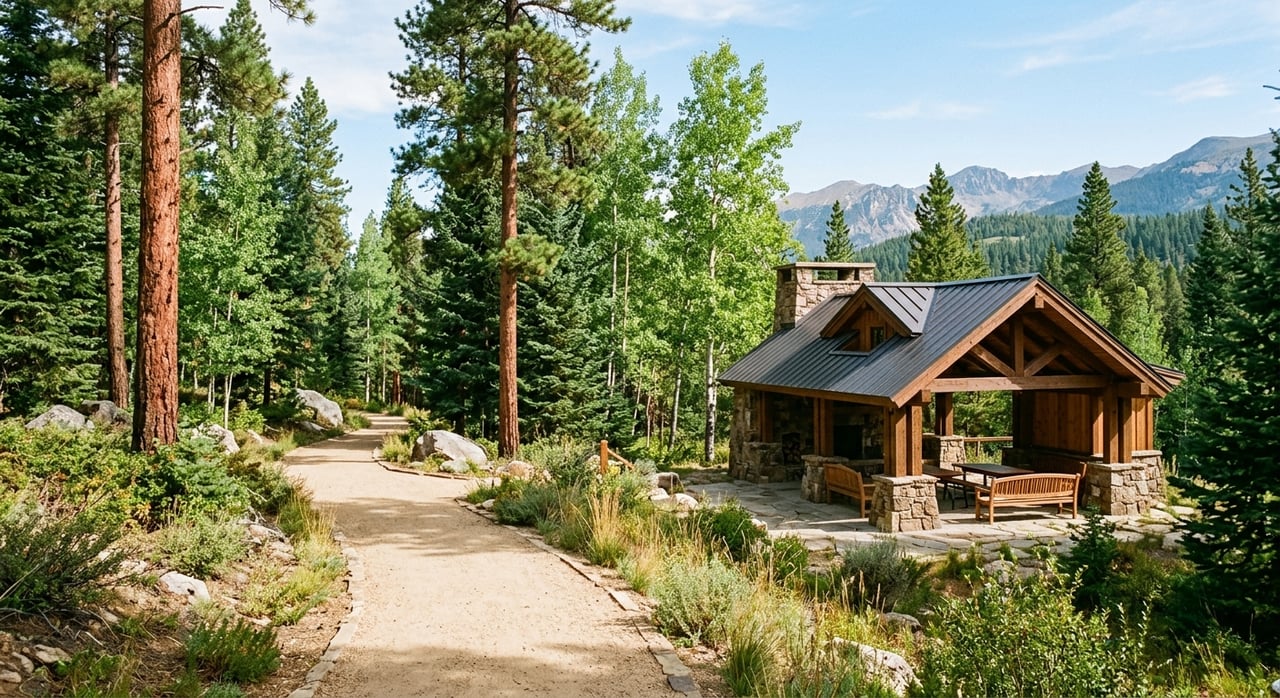
That setting shapes much of the ownership experience. The community is organized around open space, private trails, and mountain views, and the Foundation notes that utilities are buried underground to help preserve the natural setting.
Amenities You Can Expect
One of the biggest draws in Genesee is the range of resident amenities. The community states that residents and their guests can use clubhouses and facilities without charge, while some spaces can be rented by residents for a nominal fee for private events like parties, weddings, and graduations.
The main amenities include:
- Vista Clubhouse
- Foothills Clubhouse
- Oxley Homestead
- Pools
- Fitness center
- Tennis courts
- Pickleball courts
- Playground
- Library
- Meeting rooms
- Kitchen space
According to the community’s facilities and amenities page, Vista includes two tennis courts and four pickleball courts, with additional tennis courts at Solitude. If you want a neighborhood where recreation is built into daily life, Genesee offers more than just scenic surroundings.
Community Life Goes Beyond Facilities
Amenities in Genesee are not limited to buildings and courts. The community also has a strong calendar of resident activities and clubs, which can be a meaningful part of the ownership experience.
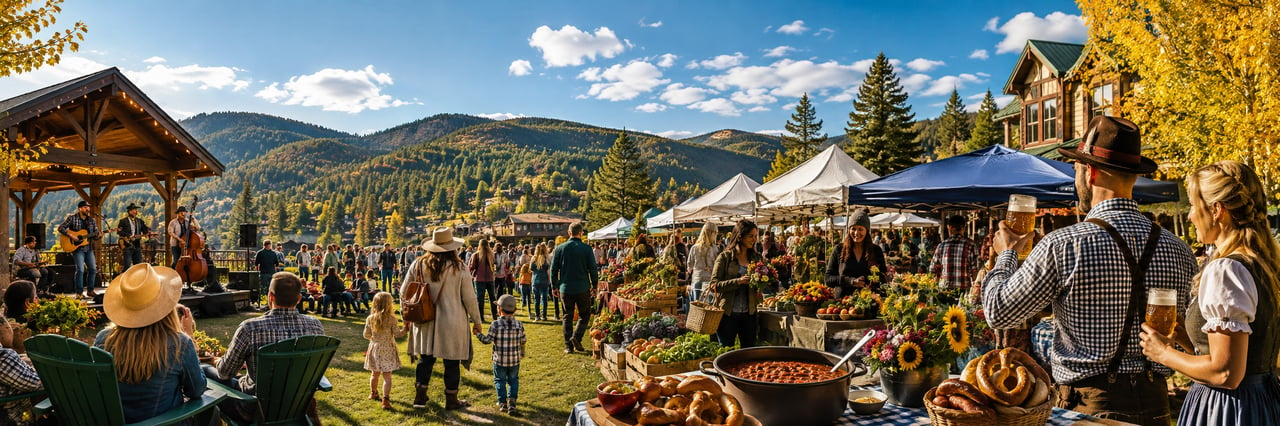
The Foundation highlights programs and gatherings such as women’s tennis, an active pickleball community, the Mountain Thunder swim team, summer Strings at the Pool concerts, annual 4th of July celebrations, concerts, and First Friday gatherings. Resident clubs include hiking, skiing, biking, book clubs, gourmet, theater, music jam, poker, quilting, and swim team groups, according to the Vista Clubhouse page.
For day-to-day communication, the community publishes the Genescene newsletter monthly except January. That can be a helpful resource if you want to stay informed about resident news and events.
How the HOA Is Structured
Genesee is a common interest community with a formal governing framework. The HOA document set includes the Articles of Incorporation, Declaration of Covenants, Planned Unit Development documents, supplementary declarations, bylaws, a short-term rental amendment, governance guidelines, and a Jeffco noise abatement policy, all available through the governing documents page.
The board is made up of seven resident volunteers serving two-year terms. The Foundation states that the board oversees budgets, capital spending, legal actions, risk policies, and committee formation.
For buyers, this matters because Genesee is not a lightly managed neighborhood. It is a structured community with established oversight, shared services, and design standards that are meant to support the broader setting.
What HOA Dues May Cover
HOA dues in Genesee support a wide range of services that go beyond amenity access. On the PUD and HOA information page, the community lists 2025 quarterly assessments at $710 per lot, while also noting that some areas, such as Ridge Townhomes and the Preserve, may have separate dues through their local homes corporation.
At the same time, Genesee’s website currently shows conflicting assessment figures on different pages. Because of that inconsistency, you should verify the current amount through a resale packet, budget, or seller disclosure during your due diligence period.
Based on the HOA information page, assessments may cover:
- On-site staff
- Facility access
- Trash and recycling
- Curbside chipping and pine-needle pickup
- Sheriff patrol and vacation checks
- Private-drive snow plowing and maintenance
- Forest and trail management
- Community events
- Reserve contributions
- ARC professionals
The HOA also states that it carries insurance for common areas, staff, the board, and volunteers. It further describes financial controls that include annual budget review, an independent CPA review, and a certified audit every three years.
ARC Approval Is a Real Part of Ownership
If you are used to neighborhoods with minimal exterior oversight, this is one of the most important things to understand about Genesee. The Architectural Review Committee, or ARC, plays a central role in how the community manages exterior changes and protects the surrounding landscape.
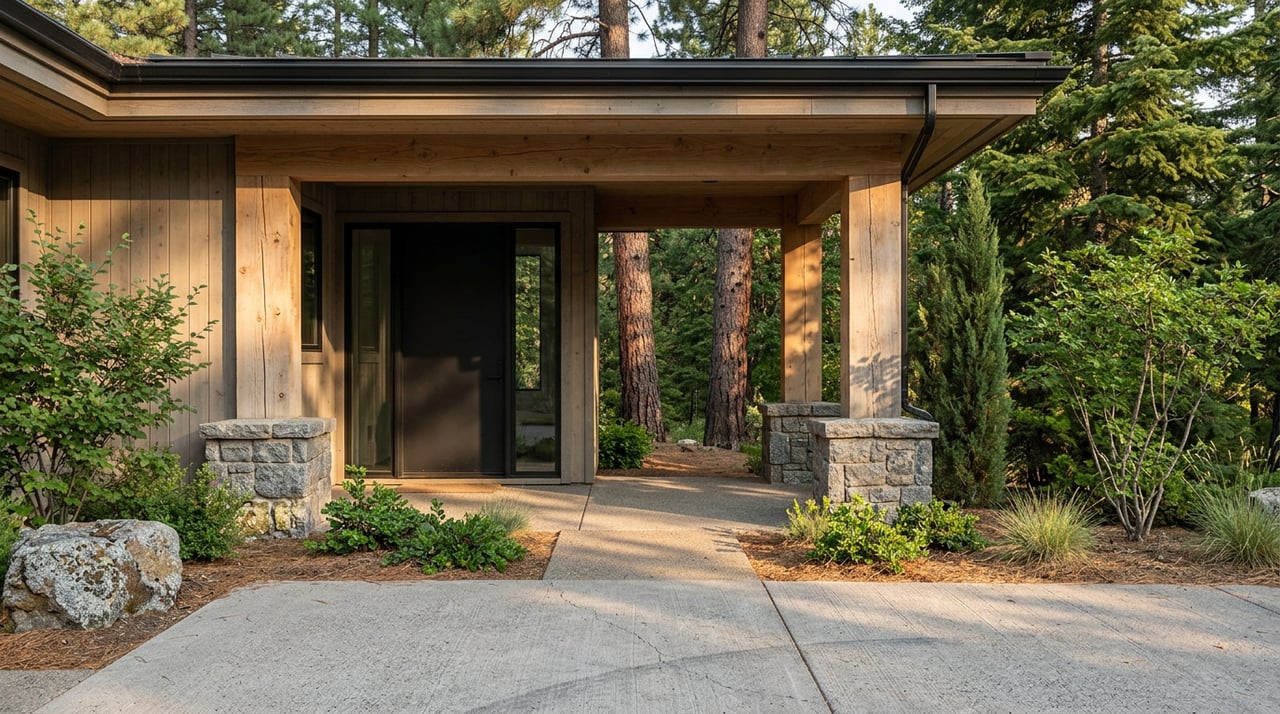
According to the ARC overview, the committee’s mission is to help homeowners improve their properties while maintaining consistency with governing documents and the natural environment. Current standards emphasize visual harmony, ecological integrity, and wildfire-safe design.
The published ARC standards state that no improvement, construction, excavation, or material staging should begin until plans are submitted and approved in writing when required. Plans may need to address items such as:
- Exterior elevations
- Materials and colors
- Landscaping
- Grading
- Easements
- Utilities
Some routine work may not require full approval, but owners still need to follow the standards and may need to file notice before starting. In practical terms, if you are planning updates, additions, or exterior changes, you should review the ARC process early.
Wildfire Management Is Part of the HOA Picture
In Genesee, open space is a major benefit, but it also comes with responsibilities. Wildfire management is a central part of the community’s operations and homeowner expectations.
The Foundation states that it manages nearly 1,200 acres of open space, about 75 percent of it forested, and that Genesee has participated in the Firewise Communities Program for many years. The HOA funds forest-health work, fuel reduction, and removal of mountain pine beetle-infested trees.
The community also encourages residents to reduce flammable materials near structures and maintain defensible space. On its fire and safety page, Genesee describes the area as part of the wildland-urban interface and a high fire danger area, and notes that defensible space can be a requirement for homeowner insurance.
This is an important point for buyers. The managed-community benefits can be significant, but they are tied to ongoing maintenance expectations, insurance considerations, and wildfire-aware property care.
What Buyers Should Review Before Closing
Before you buy in Genesee, it is wise to look past the home itself and review the broader ownership framework. That includes the services you gain, the rules you agree to follow, and the property-specific responsibilities that may affect your plans.
A smart due diligence checklist may include:
- Review the current HOA governing documents
- Confirm current dues and whether there are any separate sub-association fees
- Check whether the property has any pending ARC issues or unapproved improvements
- Review short-term rental and noise-related policies
- Understand snow plowing, road maintenance, and service expectations for that specific location
- Ask about wildfire mitigation expectations and recent defensible space work
- Verify insurance considerations tied to the property and setting
For many buyers, none of this is a drawback. It is simply part of buying in a mountain community where shared stewardship plays a major role in daily life.
The Bottom Line on Genesee Amenities and HOAs
Genesee offers a distinctive ownership experience that blends mountain scenery, community amenities, and structured shared maintenance. You may have access to clubhouses, pools, fitness facilities, courts, trails, events, and community services that support both convenience and lifestyle.
At the same time, you should expect HOA oversight, ARC review for many exterior changes, and wildfire-related maintenance expectations tied to the natural environment. If you want help evaluating whether a specific Genesee property and its HOA structure fit your goals, Julia Purrington-Paluck can help you navigate the details with clarity and confidence.
FAQs
What amenities do homeowners in Genesee usually have access to?
- Genesee lists resident access to clubhouses, pools, a fitness center, tennis and pickleball courts, a playground, a library, meeting rooms, kitchen space, trails, and community gathering spaces.
What should buyers know about Genesee HOA dues?
- Buyers should know that Genesee’s website shows conflicting dues figures on different pages, so the current amount should be confirmed through a resale packet, budget, or seller disclosure before closing.
What services may be included in Genesee HOA assessments?
- The HOA states that assessments may cover services such as trash and recycling, snow plowing and maintenance for private drives, forest and trail management, curbside chipping and pine-needle pickup, sheriff patrol and vacation checks, facility access, reserve contributions, and ARC professionals.
What is the ARC process in Genesee for exterior changes?
- Genesee’s ARC process may require written approval before certain exterior improvements, construction, excavation, or material staging begins, and buyers should review the published standards carefully if they plan to make changes.
What wildfire-related responsibilities come with owning a home in Genesee?
- Buyers should expect wildfire-aware property maintenance, including attention to defensible space and flammable material reduction, because the community is in a high fire danger area within the wildland-urban interface.
What documents should buyers review before purchasing in Genesee?
- Buyers should review Genesee’s governing documents, current dues information, any sub-association requirements, ARC standards, and policies related to short-term rentals, noise, and wildfire maintenance expectations.