If you live in the foothills, you’ve probably felt it: wildfire risk isn’t just a seasonal anxiety anymore. It’s a daily reality—insurance quotes, non-renewal letters, and buyers asking questions they didn’t ask five years ago.
This summer, that shift becomes official policy.
Colorado Senate Bill 23-166 required jurisdictions in Wildland-Urban Interface (WUI) zones to adopt wildfire resiliency standards by April 1, 2026, with enforcement beginning July 1, 2026. This isn’t “someday.” It’s now—and it will change how homes are negotiated, renovated, and insured across our corridor.
Most homeowners won’t feel a dramatic or immediate change until they want to make an update to their home. Exterior projects will involve more compliance decisions, longer timelines, and a narrower set of approved materials. Builders, including the Colorado Home Builders Association, have warned this could mean delays and higher costs. In real estate terms, the “simple fix” negotiated during inspection won’t always be simple anymore.
What the Wildfire Resiliency Code Actually Targets
The code is less about every existing home and more about what triggers compliance. In many WUI jurisdictions, substantial exterior replacements can pull a project into wildfire-code requirements. Common thresholds include:
Replacing more than 25% of an exterior element (commonly discussed for roof/siding scope)
Additions over 500 square feet
This matters because repairs and updates are a normal part of ownership—and a normal part of negotiations.
After July 1, a roof repair request, deck fix, or siding patch can become a permitting-and-materials decision if the scope crosses a threshold—changing cost, contractor availability, and timing. Credits may become more common than “just fix it,” and sellers will benefit from planning ahead if major exterior components are nearing end-of-life.
The Bigger Market Shift: A Two-Tier Foothills Market
The bigger implication is stratification. We’re moving toward a two-tier market defined not just by price, but by how much work a property is likely to require—and how ready it feels for both code triggers and a catastrophic fire.
We have already seen the insurability issue creeping into market negotiations and influencing how long a property stays on the market. Over the next 12–24 months, I expect wildfire resiliency to become a bigger part of the selection process.
The foothills market has always rewarded homes that show well and are priced correctly. Going forward, it will increasingly reward homes that feel low-risk: low-risk to insure, to maintain, and to improve without being pulled into complicated permitting.
Tier One: Turn-key (and resilient) homes will stand out
On one side are homes that don’t invite major exterior work. These properties aren’t being forced into immediate compliance simply because they exist, and that “grandfathered ease” is valuable—but it’s more than ease. It’s certainty. Buyers can move in and plan upgrades thoughtfully instead of being forced into a big exterior decision right away.
The most desirable older homes won’t necessarily be the newest or most remodeled. They’ll be turn-key plus resilient: roofs, siding, and decks that don’t look like imminent projects; defensible space that’s been thoughtfully addressed; reasonable access for emergency response; and an overall presentation that feels like something an underwriter can say yes to. Buyers may start paying a premium for homes that feel like they’ve already done the hard work of stewardship.
Tier Two: Big exterior projects will feel heavier
On the other side are properties that need major exterior work. Those homes may still sell, but they may suffer more than just the cost of the update.
A roof replacement or deck rebuild isn’t just a “fixer” decision anymore; it can become a compliance and materials decision with more risk and a longer runway. The new question won’t be only, “What will it cost?” It will be, “Will this scope trigger code requirements, what does that do to budget and timing, and do I want to deal with this?”
That mindset shift will show up in pricing, inspection negotiations, credits, and buyer confidence.
Land and New Construction: Feasibility Matters More
This shift has been showing up clearly in vacant land and new construction, which have been dealing with similar codes for the last several years.
Land value here has always been tied to feasibility—buyers aren’t just purchasing a view, they’re purchasing a path to a buildable, insurable home. Now more of the budget is pushed into non-negotiable components—structure hardening, defensible space, and a more layered permitting process.
The result isn’t that people will stop building. It’s that lot selection becomes more sensitive.
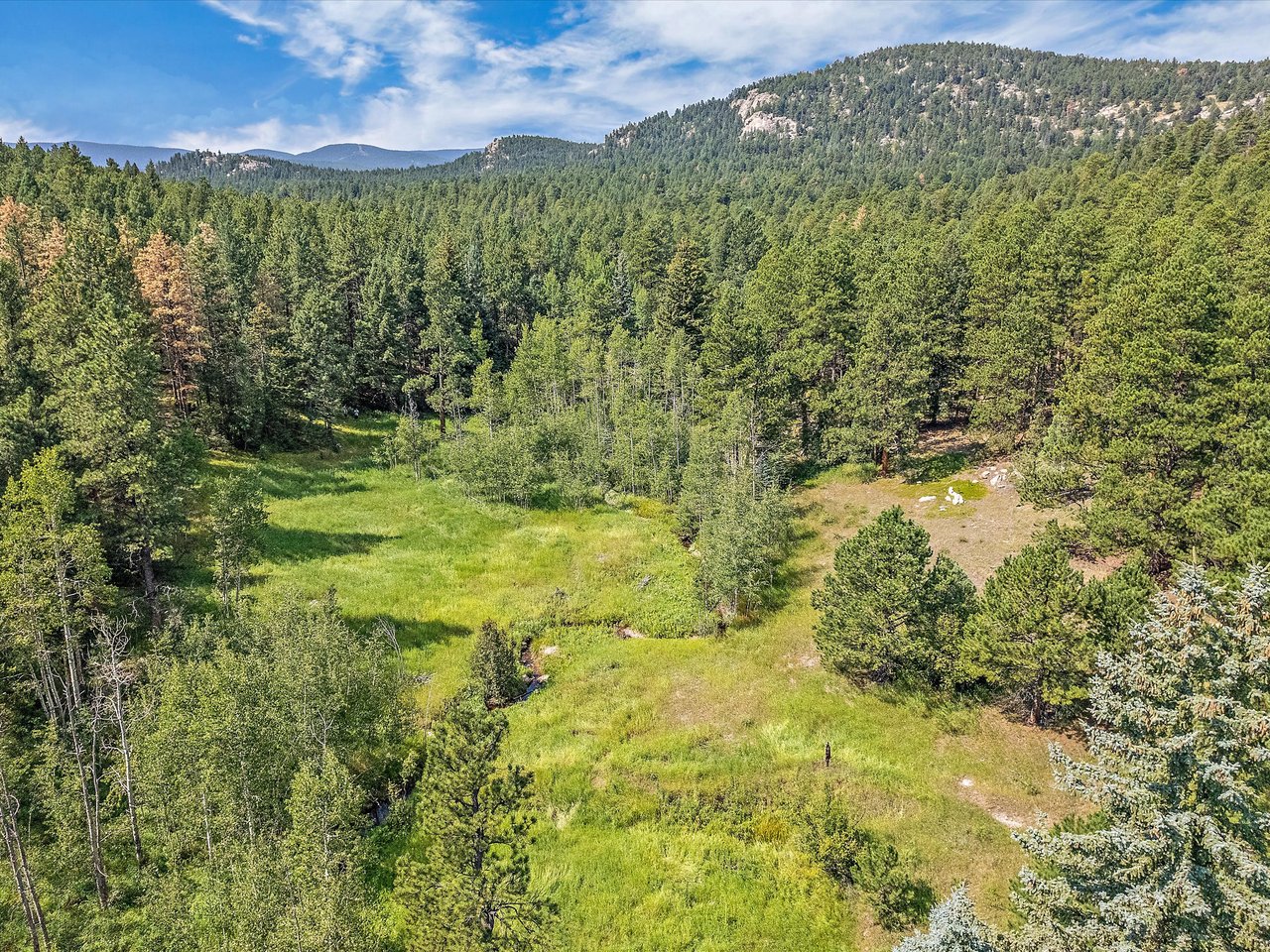
Parcels with straightforward access, clear building envelopes, and manageable mitigation will stand out. Lots requiring extensive clearing, complex driveways, expensive infrastructure, and more mitigation will sit longer and see more pricing pressure.
The Good News: This Is Also an Insurance Story
Now for the good news—because there is a reason the state is pushing this, and it’s the part that matters most for the long-term health of our market: insurance.
The CWRC isn’t just about fire behavior. It’s about preserving insurability. When homes are harder to insure, they are harder to sell. Transactions get shakier, buyers get more cautious, and pricing becomes less about the home and more about the unknowns attached to it.
The important long-term market impact is that homes built or retrofitted with structure-hardening standards can gain a competitive advantage—not just in safety, but in marketability. Even when a hardened home doesn’t guarantee a discount, it can offer something equally powerful: access. More carrier options. Fewer underwriting surprises. More confidence for buyers.
And looking farther ahead—five to ten years—the upside becomes even clearer. As more homes in our WUI communities are built or retrofitted to wildfire-resilient standards, we should see increased insurability and greater confidence from insurance carriers throughout the region. As wildfire-resistant construction becomes the norm and homeowners continue mitigation improvements, our communities will be better positioned to reduce risk, protect property values, and attract future buyers who recognize the value of living in a more resilient environment.
What Homeowners Should Do Next
This doesn’t need to be a fear story. It’s a planning story.
If you’re considering a roof, siding, deck, or exterior renovation, start by thinking about resilient materials, insurance, and wildfire resilience. Whether you’re buying, selling, or building, treat defensible space and basic hardening as part of the property cost and value.
The foothills have always required a different mindset. That’s part of why we love it here. Real estate in our mountains is entering a new era where resilience, insurability, and permitting complexity matter more—not less. And like most shifts in this market, the people who do best won’t be the ones who panic. They’ll be the ones who are educated and who prepare.